


An unusual evening on Rai 3
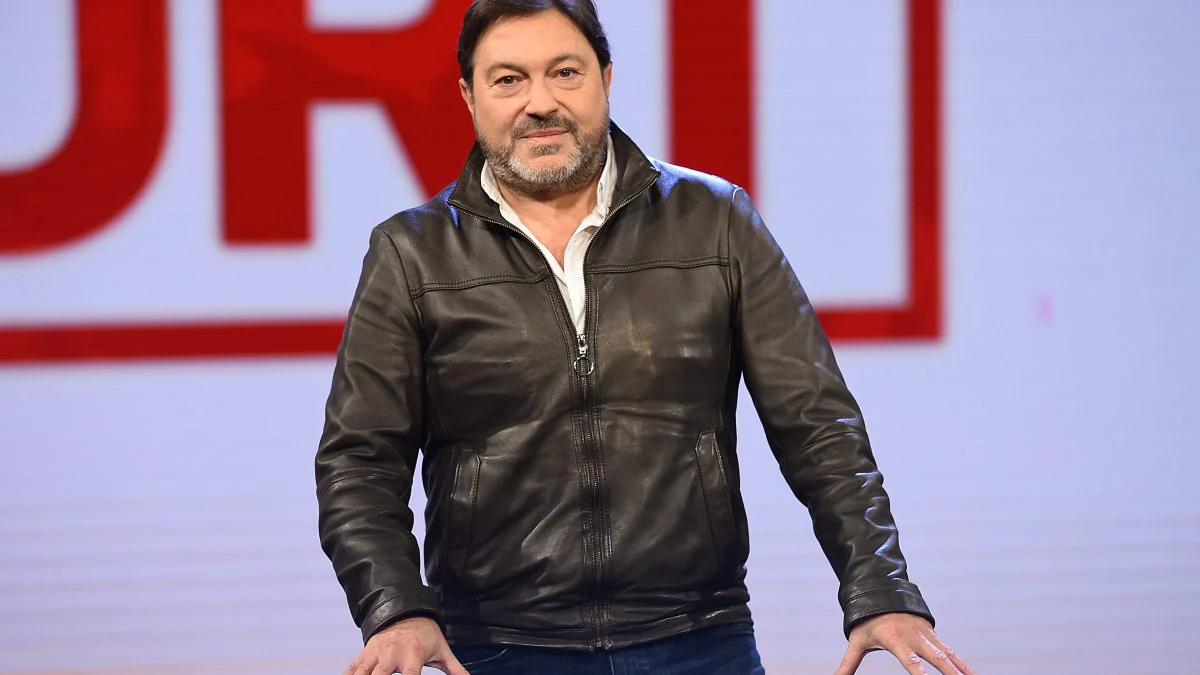
On Monday evening, many viewers turned on their televisions to watch the new episode of Report, the well-known investigative program on Rai 3 hosted by Sigfrido Ranucci. But, to the surprise of many, instead of the usual opening theme and the highly anticipated investigations, the channel aired a film in prime time. The change immediately sparked discussion and curiosity on social media.
The program, which over the years has become one of Rai’s pillars of information, did not air as scheduled. There was no official announcement beforehand, no statement during the afternoon: the programming change was communicated only through internal channels and was, in practice, noticed directly by the public at the very moment of broadcast.
Many viewers wondered why this decision had been made. Some speculated about censorship or a halt related to the content of the investigations, while others suggested a temporary suspension for technical reasons. The reality, however, is much simpler.
The reasons for the schedule change
Internal Rai sources explained that the failure to broadcast the episode of Report was due to a temporary programming adjustment, linked to the need to realign the channel’s schedule with other events planned for the week. In short, it was a purely technical and logistical decision, with no connection to the content of the program.
This is a fairly common operation in public broadcasting: especially during the autumn months, Rai often makes small adjustments to allow coverage of special events, fiction programming, or initiatives related to institutional anniversaries.
Report has not been canceled or suspended. The episode that was originally scheduled will simply be broadcast later, probably as early as next week.
Indeed, confirmation has come from Viale Mazzini that Sigfrido Ranucci and the editorial team are continuing to work regularly on new reports and that there are no editorial tensions or political decisions behind the postponement.
The success and credibility of Report
Since its debut in 1997, Report has become one of the symbolic programs of Italian investigative journalism. Originally created and hosted by Milena Gabanelli, it marked a turning point in the way television journalism was done: rigorous, well-documented, and often uncomfortable.
After the handover to Sigfrido Ranucci, the program maintained the same spirit, focusing on issues that directly affect citizens’ lives: from investigations into public administration to major economic matters, from environmental cases to international inquiries.
Report stands out for its use of exclusive documents, direct testimonies, and clear language that is accessible yet always grounded in facts. It is not an opinion program, but a place for verification and for telling the reality of events.
This approach has guaranteed a high level of trust from the public over time. Despite competition from new digital formats, Report continues to record solid ratings, with a share between 7% and 10%—important figures for a channel like Rai 3.
Public reaction and debate on social media
The missed airing of the episode did not go unnoticed. On X (formerly Twitter) and Facebook, hundreds of comments appeared from viewers, many of whom were asking for clarification about the reason for the change in programming.
“But what, no Report tonight?” one user wrote. “I’ve been waiting for it all week, I hope it hasn’t been canceled.”
Others limited themselves to irony: “Rai changes its mind more often than the weather.”
However, the majority of comments expressed trust in the editorial team. Many emphasized the importance of a program like Report in a media context dominated by talk shows and superficial information.
“It’s one of the few places left where real journalism is done,” wrote a viewer on Facebook. “A postponement can happen—the important thing is that it comes back soon.”
The editorial team itself, while not immediately releasing an official statement, hinted through internal channels that the postponed episode would be aired shortly.
The role of Sigfrido Ranucci
A central figure in the continuity of Report, Sigfrido Ranucci is now one of the best-known and most respected journalists on Italian television.
He joined Rai in the 1990s and collaborated on various investigations before taking over the program in 2017, succeeding its historic founder Milena Gabanelli.
Under his direction, Report has broadened its range of topics, addressing global issues such as cybersecurity, international finance, and the climate crisis, without losing focus on Italian problems.
Ranucci has repeatedly defended the value of public journalism, stressing that Rai must guarantee independence and transparency:
“Report does not belong to a party or a government,” he said in a recent interview, “but to the citizens who pay the license fee and have the right to know how their money is spent.”
The journalist has built a direct relationship with the public, often responding on social media to doubts and criticism. This time as well, according to some sources, he may intervene shortly to officially explain the reasons for the postponement.
A technical pause, not a political case
Every time Report is postponed, hypotheses about external pressure or political discontent inevitably re-emerge.
After all, the program has never avoided uncomfortable topics: from investigations into healthcare management to inquiries into major companies and public institutions.
However, in this week’s case, there is no evidence suggesting interference or censorship. All sources agree in defining the decision as a simple organizational variation linked to the Rai schedule.
In short, it is a temporary pause that does not in any way affect either the production or the editorial line of the program.
What to expect in the upcoming episodes
According to unofficial previews, the postponed episode should include an investigation into a topic of major public importance, probably related to the use of public funds and the management of certain infrastructure projects. As usual, the editorial team has worked for months collecting documents, interviews, and verifications.
The format also includes a segment dedicated to the environment, with a focus on new energy policies and delays in the green transition.
Report will therefore continue to move along the path of its traditional style: in-depth reporting, rigor, and a critical yet well-documented point of view.
The new broadcast date should be announced shortly through Rai’s official channels and the program’s social media profiles.
The value of investigative journalism on public television
This week’s episode brings the debate over the role of investigative reporting in public broadcasting back to the forefront.
In an increasingly fragmented media landscape, dominated by fast formats and short content, programs like Report keep alive journalism’s original function: holding power accountable and telling the facts with concrete evidence.
Many communication experts believe that Rai, in order to preserve its authority, must continue investing in in-depth formats like this one, capable of building a relationship of trust with citizens over time.
“Investigative journalism is the backbone of every healthy democracy,” Ranucci himself recently recalled during a conference. “It is not about entertainment, but public service.”
Conclusion
The absence of Report from Rai 3’s schedule was, in the end, a technical pause. No controversy, no mysterious backstage story: just a scheduling decision, as often happens in the television world.
The program will return soon, perhaps as early as next week, with new investigations and stories capable of sparking debate and reflection. And the public, as shown by the messages posted on social media, is ready to welcome it once again with the same attention as always.
In an age of rapid news and fleeting content, Report remains one of the few television appointments that continues to remind us of the value of patient, verified, and independent journalism—the kind that does not settle for merely telling, but tries to understand.